We are Environmental Testing Agency: Licensed, Certified and Insured Air Quality Testing and Mold Inspection Company
About Water Damage
Water is one of the most common causes of damage that can occur in a commercial or residential building. There are many things to look for when it comes to water damage. The different categories of water refer to the source of the water damage and other potential contaminants, including what the water may come in contact with. Water cleanliness plays a major role in the risk that the water poses to anyone or anything that comes in contact with it.
When you have wet material in a home or building, you need to dry it out ASAP to avoid further issues. We can not only let you know the extent of moisture in the building material, but also if the water is safe to be around. This also ensures the safety of the workers and occupants.
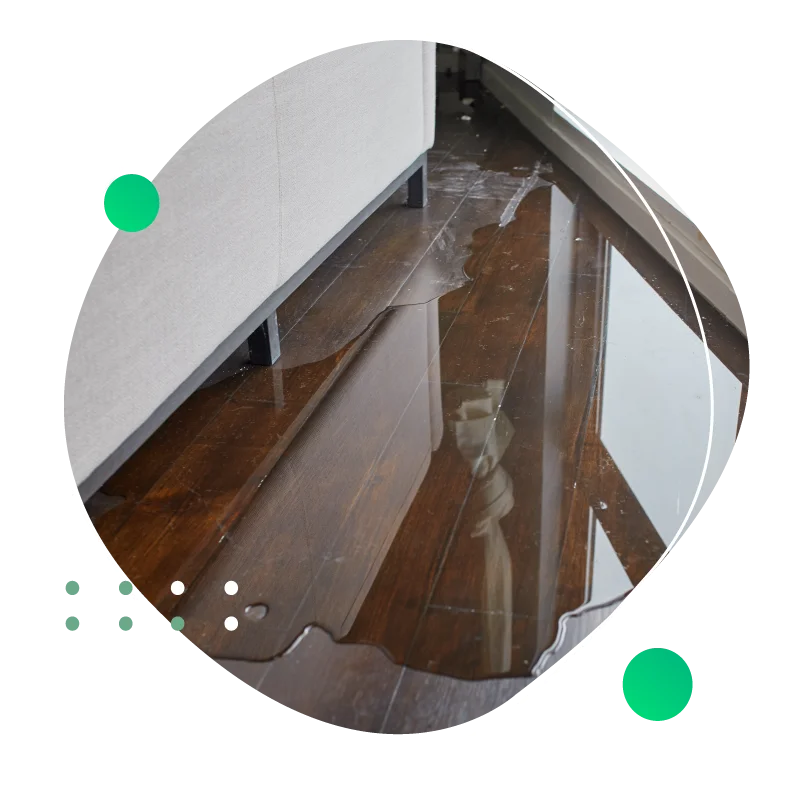
Get the
Water Damage Inspection.
For your home or business
CATEGORIES OF
WATER DAMAGE

Category 1: Sanitary “Clean Water”
Water problems in buildings are generally
the result of leaks from roofs or plumbing
condensation, and flooding.

Category 2: Significantly Contaminated “Gray Water”
Poses health risks due to significant levels of
contamination of bacteria, mold, and/or
chemicals. This includes dirty water from
washing machines, dishwashers, as well as leaks
from water beds, broken aquariums, and urine.

Category 3: Grossly
Contaminated “Black Water”
Contains disease-causing organisms, toxins,
and is grossly unsanitary. Typical black water
conditions occur from a sewer backflow,
a broken toilet bowl containing feces, and rising
floodwaters.
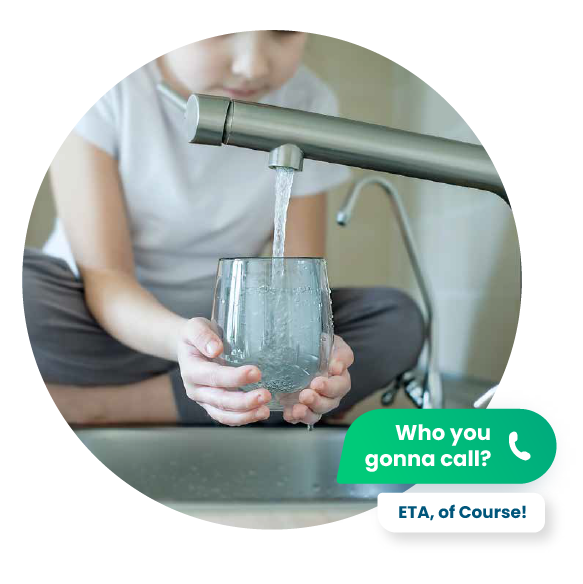
Are you having
Water Damage
in your home
Water Damage Restoration Classes
Class 1: Limited water intrusion
In a room with little sustained damage. This type of class is applied to rooms that are only partially affected by water or a room with little or no carpet or pad. Very little if any wicking up the wall is present.
Class 2: Water has spread
Throughout the room and has wicked up the walls less than 24 inches. The carpet and pad are wet in at least one whole room. Water is absorbed into construction materials such as sub-floor, framing members, etc.
Class 3: Water is invasive
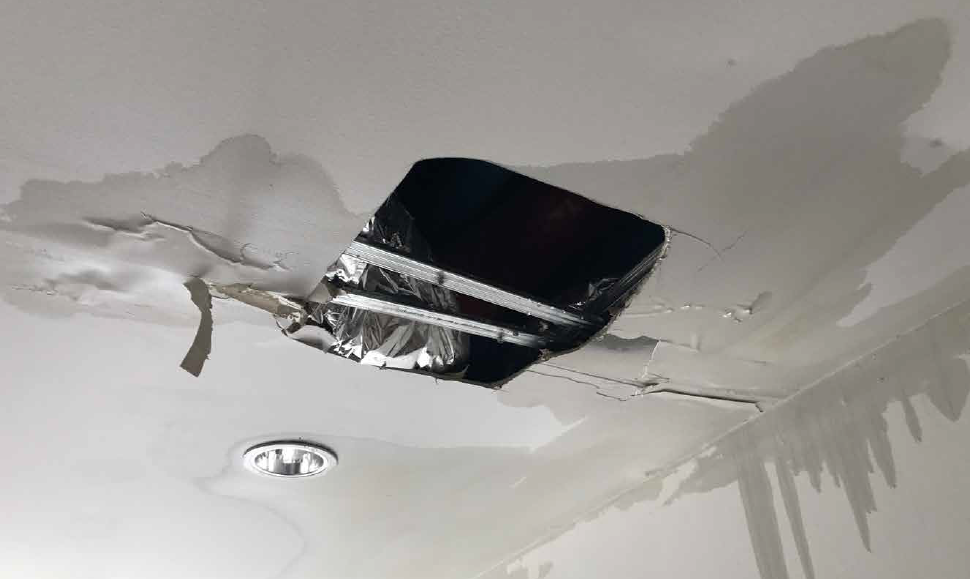
As walls, ceiling, structural members, floor coverings, sub-floor, etc. have incurred sustained damage and are virtually saturated with water. Often the cause of the flooding has come from overhead from damaged upstairs plumbing running inside of walls or ceiling, a damaged fire sprinkler line, or evaporate cooler line. Wall wicking above 24″. May require specialty equipment.
Class 4: Water is bound in the material or is inaccessible
Advanced techniques and specialized equipment are required, as well as longer time periods. Examples of bound water include water-soaked hardwood floor planks, water wicked in sheetrock walls covered with a vinyl wall covering, paneling, or oil-based paint. Inaccessible areas include the cavities beneath and behind cabinets, inside of walls and crawlspaces, etc.
Water Damage Inspection in
Homes and Buildings
Water is one of the most common causes of damage that can occur in a commercial or residential building. Water cleanliness plays a major role in the risk that the water poses to anyone or anything that comes in contact with it.
Call us and get a water damage Inspection!
Categories of Water Damage
Category 1: Sanitary “Clean Water”
Mold pollution is the growth of molds in a building resulting in a negative impact on the use of that structure. The negative impacts generally fall into two categories: the destruction of the structure itself and adverse health impacts on the building's occupants. It is estimated that about ten percent of U.S. buildings may suffer from mold pollution.
Water problems in buildings are generally the result of leaks from roofs or plumbing condensation, and flooding. When building materials or furnishings such as wood, drywall, ceiling tiles, or carpets get wet, molds will be grown on them.
The types of substrates and the amount of moisture will often determine the kinds of molds that grow. Even though moisture control is key to controlling mold growth and eliminating its effects on the building's structure or the building occupants.
Category 2: Significantly Contaminated “Gray Water”
Poses health risks due to significant levels of contamination of bacteria, mold, and/or chemicals. This includes dirty water from washing machines, dishwashers, as well as leaks from water beds, broken aquariums, and urine. The water restoration technician should wear some personal protection equipment (PPE).
The carpet padding is usually removed and replaced because its sponge-like structure offers the perfect environment for bacterial and mold growth. Due to rampant bacterial breeding and mold growth, Category 2 becomes a Category 3 situation if left untreated for 2 days or more.
Category 3: Grossly Contaminated “Black Water”
Contains disease-causing organisms, toxins, and is grossly unsanitary. Typical black water conditions occur from a sewer backflow, a broken toilet bowl containing feces, and rising floodwaters. Rising floodwater is considered Category three because of the possibility of chemicals and organisms found in lawn chemicals, fertilizers, animal feces, decaying ground debris, and overfilled sewer and septic systems.
Tetanus and other serious diseases are likely to be present in rising floodwaters. The water restoration technician must wear personal protection equipment. Affected objects such as carpet, padding, and Sheetrock must be removed and disposed of. A biocide must be applied to kill microorganisms on site.
Environmental Testing Agency provides Water Damage Inspection services in South Florida
Water Damage FAQ
From mold to compromised frames and foundations, water damage can cause a range of serious, underlying issues.
Homes that deal with heavy long-term water exposure may need to be gutted and rebuilt from the inside out.
You should call us, were going to make a mold inspection, water damage source and other analysis.
Peeling, bubbling, or flaking paint. Small hairline cracks or a larger, spiderwebbed pattern of cracks. Water rings, usually a light brown color. Mold growth, especially in corners where walls and ceilings meet, and often in humid rooms or locations such as basements.
Within hours, water can cause damage you'll never see from outside. Water can get into your framing materials, insulation and drywall, causing mold, electrical hazards, rotting, and corrosion.
Mold Growth: Visible mold is absolutely a sign of a water issue. Musty Smells: A musty odor smell is a key sign of water damage.
It takes 1 hour to a full day before water begins to damage your home's infrastructure. You'll notice signs like bulging, cracking, and swelling in furniture or drywall that has been affected.7 ago 2020
Any water leak carries the risk of mold growth, but that doesn't necessarily mean that mold growth is certain.
Learn More About Water Damage
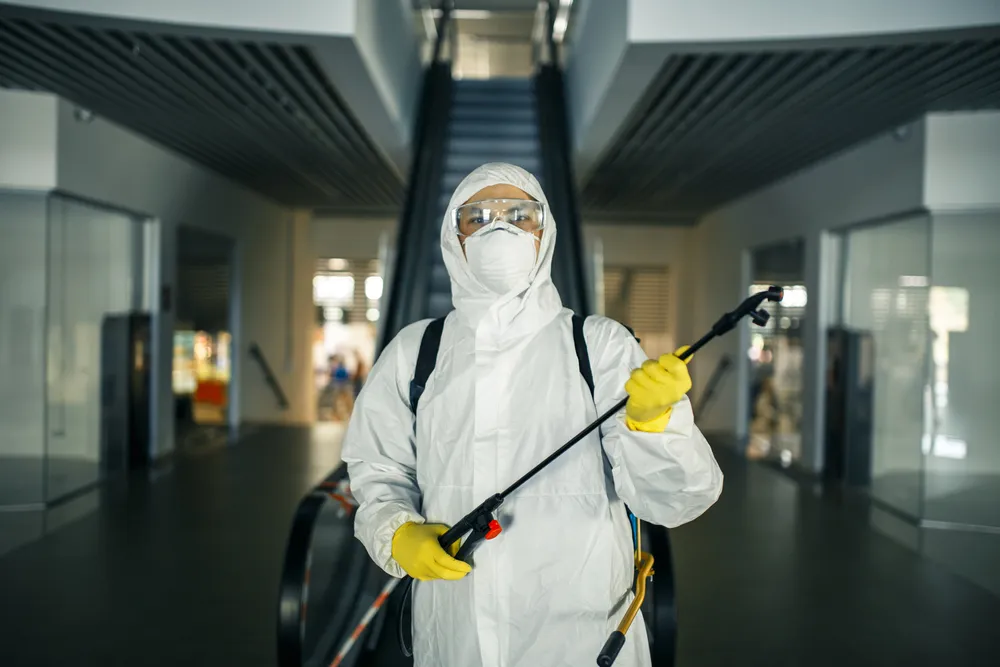
Best Mold Prevention After a Flood: Safeguard Your Business
Prevent mold after a flood is very important. Florida is known for its picturesque landscapes and vibrant communities and is also no stranger to the challenges posed by hurricanes and floods. As a business owner in the Sunshine State, it’s crucial to be prepared for the aftermath of these natural disasters, particularly when it comes to preventing mold growth in commercial spaces. In this blog post, we’ll explore effective strategies to protect your business from the silent threat of mold after a flood. Prevent Mold after a flood: Understanding the Mold Menace Before delving into prevention strategies, let’s understand the gravity of […]
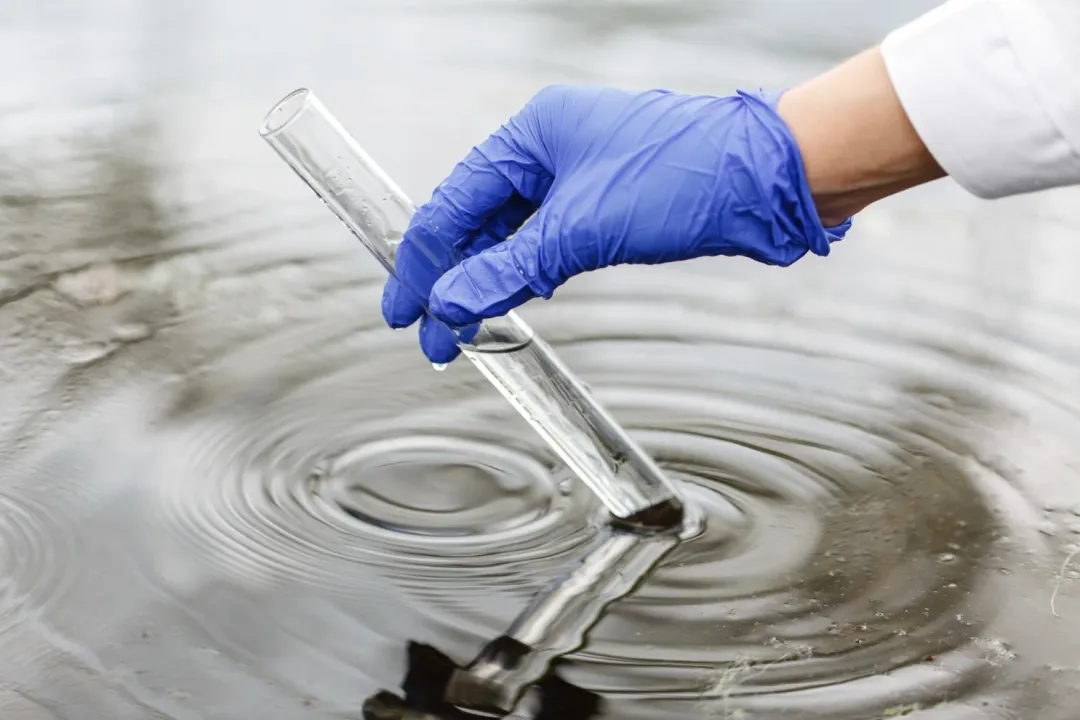
The Importance of Testing Your Drinking Water in Florida
Clean drinking water is something many of us take for granted. We turn on the tap, fill a glass, and assume it is safe to drink. But in reality, water can carry harmful substances that are not visible or easy to detect without proper testing. This is especially true in Florida, where a mix of natural and human factors can affect the quality of our water supply. In this blog, we will explain why drinking water testing is so important, what risks might be present in Florida water systems, and how regular testing can help protect your health and home. Why […]
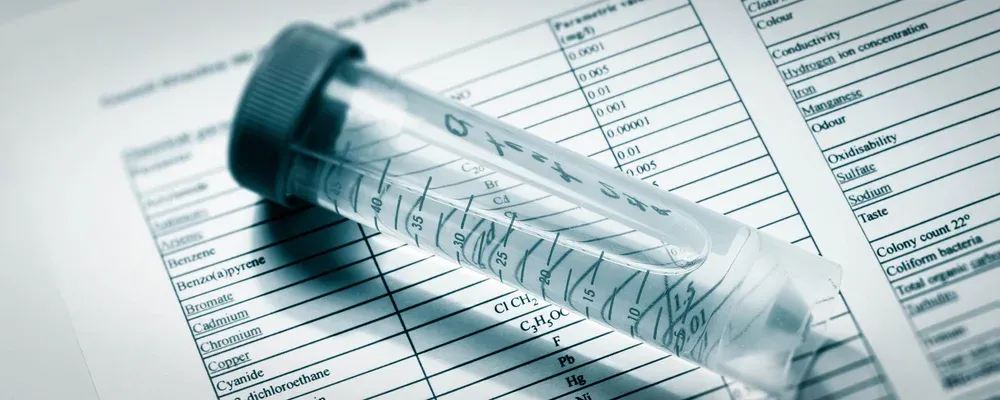
Why Is Water Testing Essential for Safe Drinking Water?
Water is a fundamental necessity for life, and access to clean, safe drinking water is crucial for maintaining health. However, not all water sources are free from contaminants. Water testing is an essential process to ensure that the water we consume is safe and free from harmful substances. In this comprehensive guide, we will explore why water testing is necessary, the potential risks of untested water, and how you can ensure your water remains clean and safe for consumption. What Is Water Testing? Water testing is the process of analyzing water to detect impurities, contaminants, and any substances that may pose […]
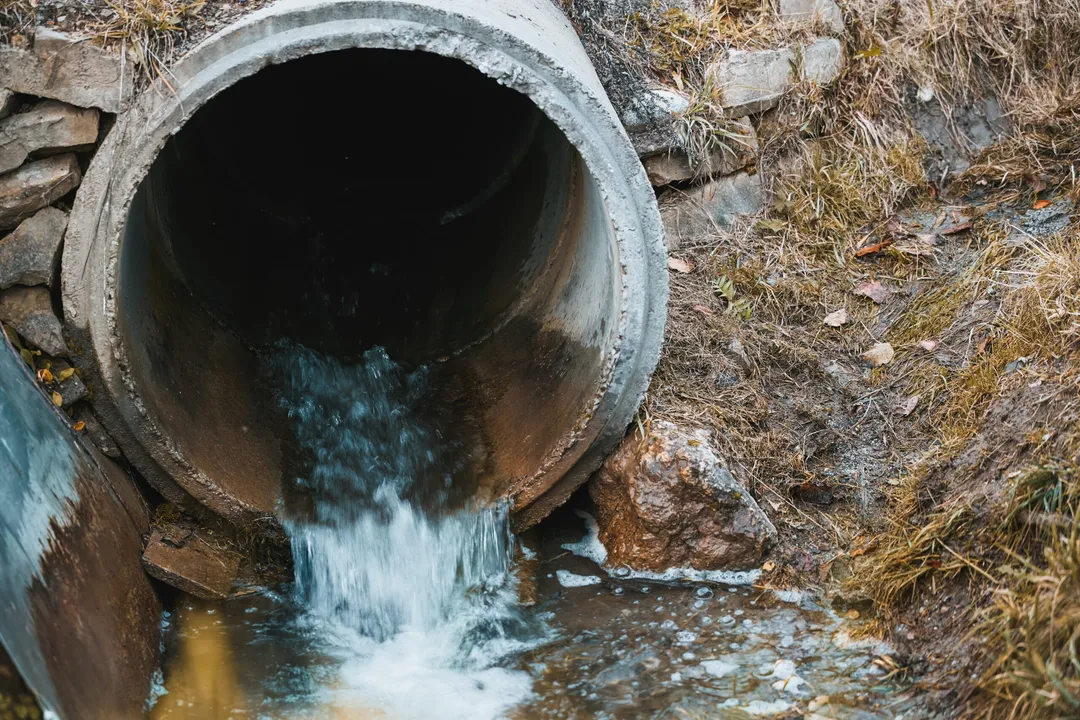
How Water Pollution Affect Human Health?
How water pollution affect human health is a serious concern for people, animals, and the environment everywhere. When harmful things like chemicals, plastics, and waste get into our water, they contaminate the sources we depend on for drinking, cooking, and bathing. This contamination often isn’t visible, but it can have serious effects. Polluted water can cause immediate health issues, like stomach problems or skin irritation, which many people have experienced. Over time, the impact can be even more severe. Long-term exposure to pollutants can lead to chronic health issues, including certain cancers, liver and kidney damage, and neurological problems. To understand […]

Understanding Water Regulation in Florida
Water is a big part of life in Florida, supporting everything from daily routines to tourism, farming, and wildlife. With underground aquifers, rivers, and coastal waters, the state faces constant challenges to manage and protect this important resource. Regulations help keep our drinking water safe, protect ecosystems, and make sure businesses can operate without damaging the environment. Over the years, Florida has built a system to balance these needs through water management districts, state rules, and federal guidelines. This system focuses on things like keeping pollutants out of rivers, managing water use during dry spells, and properly treating wastewater. Following these […]
Contact Us
Contact Us
Request
A Free Estimate