Key Takeaways
- Yes, mold can cause coughing, especially in people with mold allergies or asthma.
- Mold particles may irritate the airways or trigger allergy symptoms such as sneezing, congestion, and postnasal drip.
- A cough that worsens in damp or moldy spaces may suggest exposure, but it does not prove mold is the cause.
- Fix moisture problems, improve ventilation, and safely remove mold to reduce exposure.
- Medicine may ease allergy or asthma symptoms, but it does not remove mold or correct dampness.
- Seek medical advice for a persistent cough, and urgent care for severe breathing problems or chest pain.
Yes, mold can cause coughing. Mold releases spores and other particles into the air. Breathing them in may irritate the nose, throat, and airways or trigger an allergic reaction. This can lead to coughing, sneezing, nasal congestion, throat irritation, or asthma symptoms.
Not everyone exposed to mold will cough, and a cough does not automatically mean mold is the cause. Respiratory infections, allergies, asthma, smoke, and other irritants can also cause coughing. If your cough seems worse in a damp or moldy room and improves when you leave, mold exposure may be one possible explanation.
How Can Mold Cause Coughing?
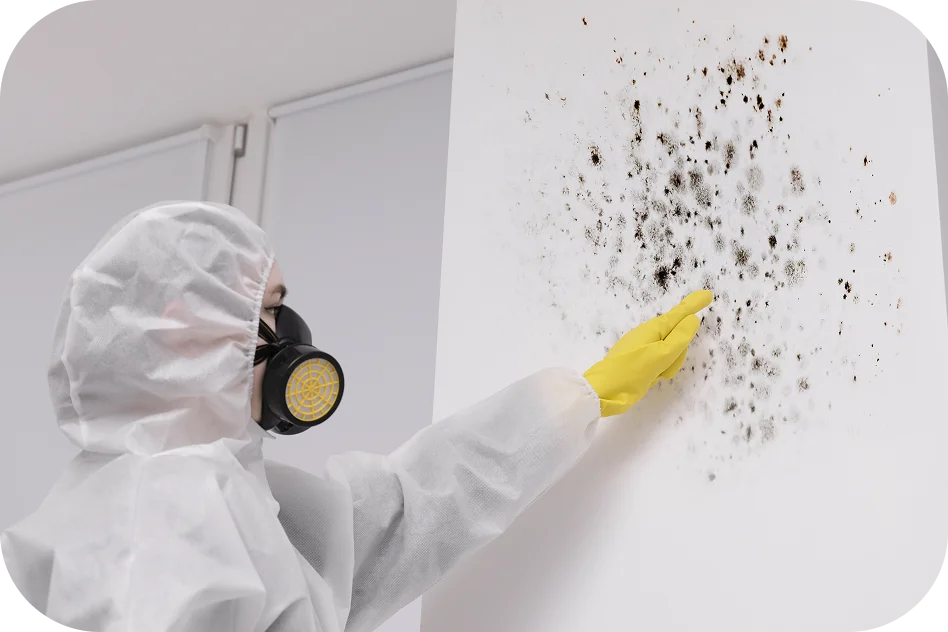
Mold is a type of fungus that grows in damp areas. It may appear on walls, ceilings, window frames, carpets, furniture, or other surfaces where moisture collects. Mold can release tiny spores and particles that become airborne.
When people breathe them in, their airways may react in different ways.
Mold can trigger allergies
Some people are allergic to certain types of mold. When they inhale mold spores, their immune system reacts. This may cause coughing, sneezing, a runny or blocked nose, itchy eyes, or an itchy throat.
Mold-related nasal symptoms can also lead to postnasal drip. This happens when mucus from the nose runs down the back of the throat, irritating it and causing a cough.
Mold can irritate the airways
A person does not need to have a diagnosed mold allergy to experience respiratory irritation. Damp or moldy environments may contain particles that irritate the nose, throat, or lungs.
The response varies from person to person. Some people may notice a tickle in the throat or repeated coughing, while others may have no symptoms.
Mold can trigger asthma
Mold exposure can trigger asthma symptoms in people who are sensitive to it. Symptoms may include coughing, wheezing, chest tightness, or shortness of breath.
For some people with asthma, coughing may be the main sign of a flare-up. If you have asthma and notice symptoms in a damp building, follow your asthma action plan and contact your healthcare professional if symptoms are not controlled.
What Does a Mold-Related Cough Feel Like?
There is no single cough that proves mold is responsible. A cough linked to mold exposure may be:
Dry or tickly: Your throat may feel irritated, causing repeated coughing without much mucus.
Persistent: Symptoms may continue while you remain exposed to an irritant or allergen.
Associated with nasal symptoms: Sneezing, congestion, or postnasal drip may occur alongside coughing.
Accompanied by asthma symptoms: Wheezing, chest tightness, or shortness of breath may occur in people with asthma.
Some people notice that symptoms become worse in one room, at home, or at work, then improve after spending time elsewhere. This pattern can be a clue, but it does not confirm that mold is the cause.
Can Mold in Your House Cause Coughing?
Yes. Indoor mold can contribute to coughing, particularly when it grows in places where people spend time or when particles circulate through the air.
Common places where mold may grow include:
Bathrooms with poor ventilation
Kitchens around sinks or leaking pipes
Basements and damp storage rooms
Walls or ceilings affected by water leaks
Carpets, upholstery, or other materials that remain damp
Areas behind furniture where moisture or condensation collects
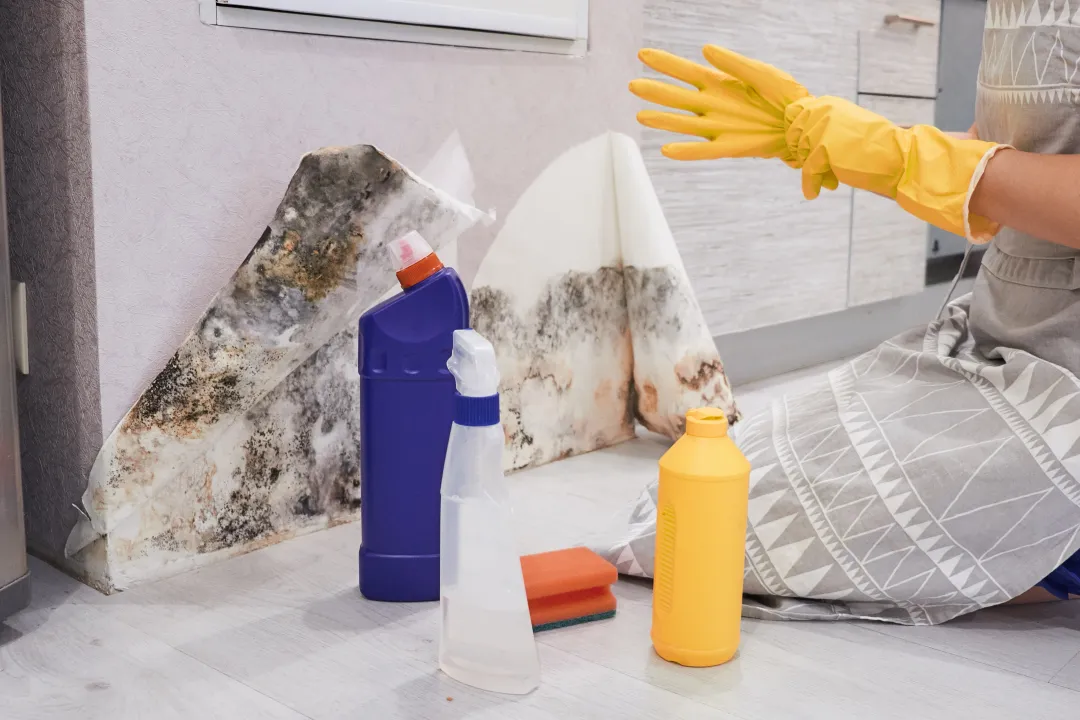
Mold may be visible, but it can also grow in hidden places, such as behind wallpaper, inside walls, under flooring, or around leaking plumbing. A musty smell or recurring dampness may indicate a moisture problem even when mold is not easy to see.
The key issue is not simply whether mold is present. It is whether moisture is allowing it to grow and whether the indoor environment is affecting someone’s health.
Who Is More Likely to Have Symptoms?
Mold exposure does not affect everyone in the same way. Some people are more likely to develop respiratory symptoms.
People with mold allergies
People who are allergic to mold may develop coughing, sneezing, nasal congestion, or itchy eyes after exposure.
People with asthma
Mold may trigger asthma symptoms in people who are sensitive to it. They may experience coughing, wheezing, chest tightness, or difficulty breathing.
People with existing respiratory conditions
People with certain lung conditions may be more vulnerable to respiratory problems in damp or moldy environments. Symptoms should be assessed by a healthcare professional rather than automatically attributed to mold.
People with weakened immune systems
Certain fungal infections can be serious for people with weakened immune systems or specific underlying lung conditions. This is different from a common allergic response and requires medical evaluation if symptoms develop.
How Can You Tell If Mold Is Causing Your Cough?
It can be difficult to identify the cause of a cough based on symptoms alone. Mold-related symptoms can resemble those caused by seasonal allergies, a cold, asthma, or other respiratory conditions.
Possible clues include:
Your cough or nasal symptoms worsen in a particular damp or musty room.
You notice visible mold, water damage, or persistent condensation.
Symptoms improve after you spend time away from the suspected environment.
You experience other allergy symptoms, such as sneezing or itchy eyes.
These clues may help you identify a possible environmental trigger, but they are not a medical diagnosis.
A healthcare professional may ask about your symptoms, where they occur, how long they have lasted, and whether you have allergies or asthma. Depending on your symptoms, they may assess you for asthma, allergies, infection, or another cause.
How Long Can a Mold-Related Cough Last?
The duration depends on the cause, the person’s sensitivity, and whether exposure continues.
If mold is triggering an allergy or irritating the airways, symptoms may continue while the person remains exposed. They may improve after exposure is reduced, but the timing varies. Someone whose asthma is triggered by mold may need medical treatment even after leaving the affected environment.
A cough that lasts for several weeks, repeatedly returns, disrupts sleep, or comes with other symptoms should be assessed by a healthcare professional. Do not assume a long-lasting cough is caused by mold just because mold is present in your home.
How to Reduce Mold Exposure at Home
The most effective way to address a mold problem is to correct the moisture that allows it to grow and remove the mold safely.
Find and fix the moisture source
Check for leaking pipes, roof leaks, water entering through walls, and persistent condensation. If the moisture source is not corrected, mold may return after cleaning.
Improve ventilation
Use bathroom and kitchen exhaust fans where available. Ventilation can help remove moisture produced by showering, cooking, and other household activities.
Control indoor humidity
A dehumidifier may help in damp rooms. The U.S. Environmental Protection Agency recommends keeping indoor humidity below 60%, ideally between 30% and 50%, where practical. A humidity meter can help you monitor conditions.
Clean small areas safely
Small areas of mold on suitable hard surfaces may be cleaned with appropriate precautions. Wear gloves and avoid disturbing mold in ways that spread particles. Never mix cleaning products, especially bleach with ammonia or other cleaners.
Porous materials, such as moldy ceiling tiles or carpet, may need to be removed if they cannot be properly cleaned and dried. Large areas, recurring growth, or mold caused by significant water damage may require professional help.
People with asthma, severe allergies, or weakened immune systems should avoid doing mold cleanup themselves.
Can Medicine Help a Mold-Related Cough?
Treatment depends on what is causing the cough.
If a healthcare professional identifies a mold allergy, they may recommend suitable medicines for allergy symptoms. If mold is triggering asthma, the person may need an asthma treatment plan.
Medicine may ease symptoms, but it does not remove mold from a building or fix a moisture problem. Reducing exposure and addressing dampness are important parts of managing symptoms.
Do not start or change asthma medication, or use antibiotics for a cough, without appropriate medical advice.

When Should You See a Doctor?
Seek medical advice if your cough persists, repeatedly returns, interferes with sleep, or occurs alongside wheezing or other respiratory symptoms.
Get urgent medical help if you have severe shortness of breath, difficulty speaking because of breathing problems, blue or grey lips, severe chest pain, or rapidly worsening symptoms.
If you have asthma and suspect mold is triggering an attack, follow your prescribed asthma action plan. If symptoms are severe or your reliever medicine is not helping as directed, seek emergency care.
Conclusion
Mold can cause coughing, particularly in people with mold allergies or asthma. It may also irritate the airways of some people. A mold-related cough can occur with sneezing, nasal congestion, postnasal drip, wheezing, or chest tightness.
However, coughing has many possible causes, and mold exposure does not automatically mean mold is responsible. If symptoms seem linked to a damp or moldy environment, reduce exposure and address the moisture problem. See a healthcare professional if the cough persists, worsens, or comes with breathing difficulties.
Disclaimer - This article is for general information and is not a substitute for medical advice.
Frequently Asked Questions
Can mold cause a dry cough?
Yes. Mold exposure may irritate the throat or trigger allergies, which can lead to a dry or tickly cough.
Can mold cause coughing at night?
It may, particularly if exposure triggers allergies, postnasal drip, or asthma. Nighttime coughing can also have other causes.
Will a mold-related cough go away on its own?
It may improve when exposure stops, but the timing varies. Persistent or worsening symptoms should be assessed by a healthcare professional.
Can mold cause coughing without a stuffy nose?
Yes. Some people experience coughing or airway irritation without obvious nasal symptoms.
Should I test my home for mold?
Visible mold or a musty smell is a reason to investigate moisture and address the problem. Routine home mold testing is often not necessary to decide that dampness and mold need fixing.
Can cleaning mold stop the cough?
Reducing exposure may help, but symptoms can have other causes and may need medical treatment. Correct the moisture source as well as cleaning or removing mold.
When is a cough an emergency?
Seek urgent help for severe shortness of breath, blue or grey lips, severe chest pain, or rapidly worsening breathing.