Key Takeaways
- El Niño can influence Florida's winter weather, often bringing cooler and wetter conditions.
- Increased rainfall can contribute to roof leaks, drainage problems, and water intrusion.
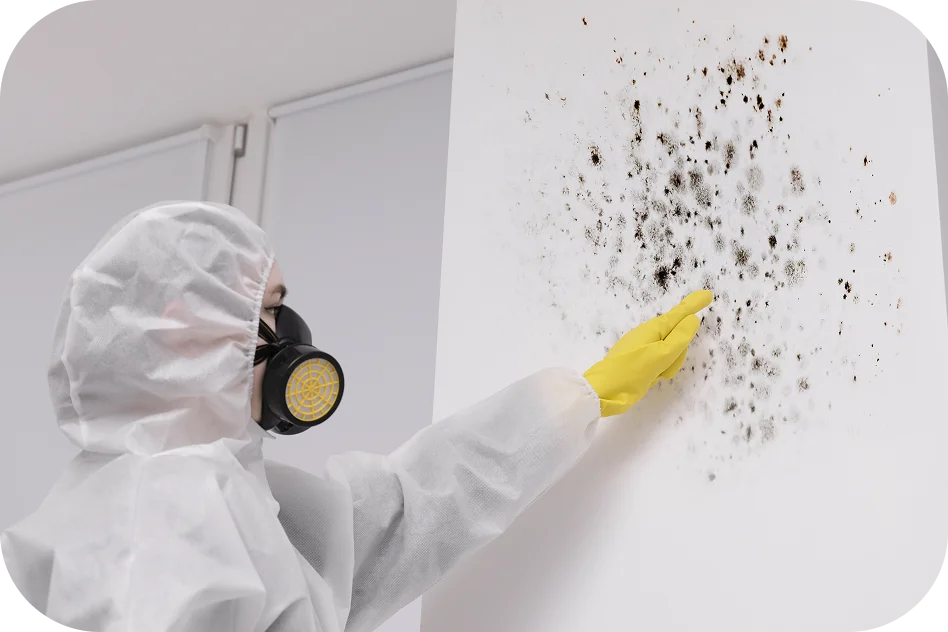
- High humidity and moisture can encourage mold growth inside homes.
- Strong winter storm systems may bring damaging winds and heavy rain.
- Homeowners should inspect roofs, gutters, windows, siding, and drainage before wet weather arrives.
- Regular moisture inspections can help identify problems before they become expensive repairs.
Florida is known for its warm weather, sunshine, coastal communities, and humid climate. However, weather conditions in the state can change significantly from one season to another. One important climate pattern that influences Florida's weather is El Niño.
El Niño is a natural climate phenomenon that develops when sea surface temperatures in the central and eastern tropical Pacific Ocean become warmer than normal. Although it begins thousands of miles away from Florida, it can influence rainfall, temperatures, storm patterns, and seasonal weather across the state.
For homeowners, these changes can affect roofs, siding, windows, foundations, drainage systems, and indoor air quality. Increased rainfall, changing temperatures, and periods of high humidity can create conditions that lead to water damage and mold growth.
Understanding how El Niño affects Florida homes can help property owners prepare for changing weather conditions and reduce the risk of expensive repairs.
What Is El Niño?
El Niño is part of a climate pattern known as the El Niño-Southern Oscillation (ENSO). It involves changes in ocean temperatures and atmospheric conditions across the tropical Pacific Ocean.
During an El Niño event, warmer-than-average ocean temperatures can influence the position of the jet stream and weather systems around the world.
For Florida, El Niño is often associated with wetter and cooler conditions during the winter months. It can also influence the number and paths of storms that move across the state.
However, El Niño does not produce the same weather every year. Its effects depend on the strength of the event, the season, and other atmospheric conditions.
How Does El Niño Affect Florida Homes?
El Niño can affect Florida homes in several ways. The biggest concerns are often related to rainfall, humidity, temperature changes, and storm activity.
Here are some of the main ways this climate pattern can affect residential properties.
1. Increased Rainfall Can Cause Water Damage
One of the most important effects of El Niño in Florida is the potential for increased winter rainfall.
During many El Niño winters, Florida experiences more frequent rain events. While rainfall is important for the environment, excessive moisture can create problems for residential properties.
Water can enter homes through damaged roof shingles, poorly sealed windows, exterior cracks, and deteriorated siding.
Common signs of water intrusion include:
Water stains on ceilings and walls
Peeling or bubbling paint
Damp drywall
Wet carpets
Musty indoor odors
Discoloration around windows
Water collecting near the foundation
Even a small roof leak can cause significant damage if it remains unnoticed. Water may travel through insulation, drywall, and wooden framing before becoming visible inside the home.
Homeowners should inspect their roofs and exterior walls before periods of heavy rainfall.
2. High Humidity Can Encourage Mold Growth
Florida already has a humid climate, but changes in rainfall and moisture conditions during El Niño can make humidity management more challenging.
When moisture enters a home and remains trapped, it creates favorable conditions for mold growth.
Mold can develop on drywall, ceilings, insulation, carpets, wooden surfaces, and other materials that remain damp.
Common places where mold may develop include:
Laundry rooms
Areas around leaking windows
Closets with poor ventilation
Mold does not require a major flood to develop. A small plumbing leak, roof leak, or condensation problem can provide enough moisture for growth.
Homeowners should pay attention to musty smells, visible discoloration, and areas that remain damp after rainfall.
Keeping indoor humidity under control, repairing leaks, and improving ventilation can help reduce moisture-related problems.
3. Roofs May Experience More Weather Stress
Florida roofs are exposed to sunlight, heat, humidity, rain, and seasonal storms throughout the year.
During El Niño winters, increased rainfall and storm activity can place additional stress on roofing systems.
Heavy rain can reveal weaknesses in older roofs, damaged flashing, loose shingles, and poorly sealed roof penetrations.
Potential roofing problems include:
Missing or damaged shingles
Leaks around chimneys and vents
Damaged roof flashing
Blocked roof drainage
Water entering through roof openings
Deteriorated roofing materials
Homeowners should inspect their roofs regularly, especially if the property has experienced previous leaks.
It is also important to keep gutters and downspouts clear. Blocked drainage systems can cause water to overflow and collect near exterior walls.
4. Strong Storms Can Damage Exterior Siding
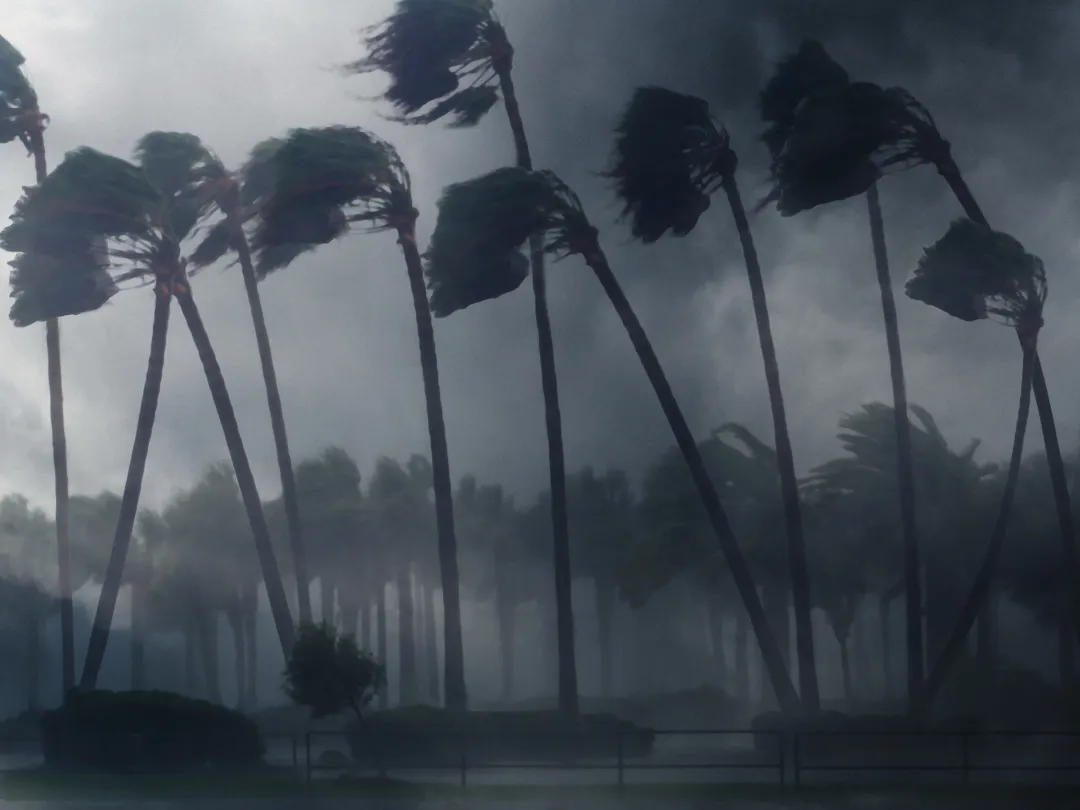
El Niño can influence Florida's winter storm patterns. Some weather systems may bring strong winds, heavy rainfall, and sudden changes in temperature.
These conditions can affect exterior siding.
Siding protects the exterior walls from direct exposure to rain and other environmental conditions. If it becomes damaged or loose, water may enter the wall assembly.
Possible signs of siding damage include:
Cracked or loose panels
Gaps around joints
Peeling exterior paint
Warped wood siding
Water stains near exterior walls
Damaged caulking around windows and doors
Different siding materials respond differently to weather exposure.
Vinyl siding can crack or become loose. Wood siding may absorb moisture if its finish is not properly maintained. Fiber cement and composite siding also require correct installation and suitable moisture management.
Homeowners should inspect siding after major storms and repair damaged sections before water enters the walls.
5. Cooler Temperatures Can Affect Plumbing Systems
Florida is generally warm, but El Niño winters are often cooler than normal in many parts of the state.
Although severe freezing conditions are less common in Florida than in northern states, occasional cold weather can still affect plumbing systems.
Pipes located in exterior walls, unheated spaces, garages, and outdoor areas may be more vulnerable during unusually cold periods.
Potential problems include:
Frozen pipes during extreme cold events
Cracked plumbing connections
Leaking outdoor faucets
Damage to exposed irrigation lines
Plumbing leaks after temperatures rise
Homeowners should insulate exposed pipes where appropriate and disconnect garden hoses before cold weather arrives.
It is also useful to know where the main water shutoff valve is located in case a pipe begins leaking.
6. Drainage Problems Can Increase Around Homes
Florida has many low-lying areas, coastal communities, and neighborhoods with relatively high groundwater levels.
When rainfall increases, drainage systems may struggle to move water away from residential properties.
Poor drainage can lead to standing water around foundations, flooded yards, wet crawl spaces, and water entering garages or lower levels.
Some common drainage problems include:
Clogged gutters
Blocked downspouts
Poor yard grading
Damaged drainage pipes
Inadequate stormwater systems
Water collecting near the foundation
Standing water should not be ignored. It can contribute to moisture problems and may attract insects.
Homeowners should make sure downspouts direct water away from the foundation and that the ground slopes appropriately around the property.
7. El Niño Can Affect Indoor Air Quality
Moisture problems do not always remain visible. Water can enter hidden areas behind walls, under flooring, and inside ceilings.
When damp materials remain untreated, mold and other microbial growth may develop.
This can affect indoor air quality, particularly in rooms with poor ventilation or ongoing moisture problems.
Possible warning signs include:
Persistent musty odors
Visible mold spots
Condensation on windows
Damp carpets
Repeated moisture in the same area
Unexplained deterioration of interior materials
If a home has experienced water intrusion, identifying and correcting the moisture source is essential.
Professional mold inspection may be useful when there are signs of hidden moisture, recurring odors, or suspected mold growth that cannot be adequately assessed by a homeowner.
8. Coastal Homes May Face Additional Weather Risks
Florida has a long coastline, and many homes are located near beaches, bays, and waterways.
Coastal properties already face risks from salt air, humidity, strong winds, and storm-related flooding.
El Niño can influence seasonal weather patterns, but it does not automatically cause coastal flooding or hurricanes.
Homeowners should understand that coastal flood risk depends on several factors, including storm tracks, tides, local elevation, drainage, and sea conditions.
Properties near the coast should receive regular inspections of roofing, exterior walls, windows, doors, and drainage systems.
Salt exposure can also accelerate corrosion of metal fixtures, fasteners, and exterior equipment. Using materials suitable for coastal environments can help reduce maintenance problems.
Does El Niño Increase Hurricane Risk in Florida?
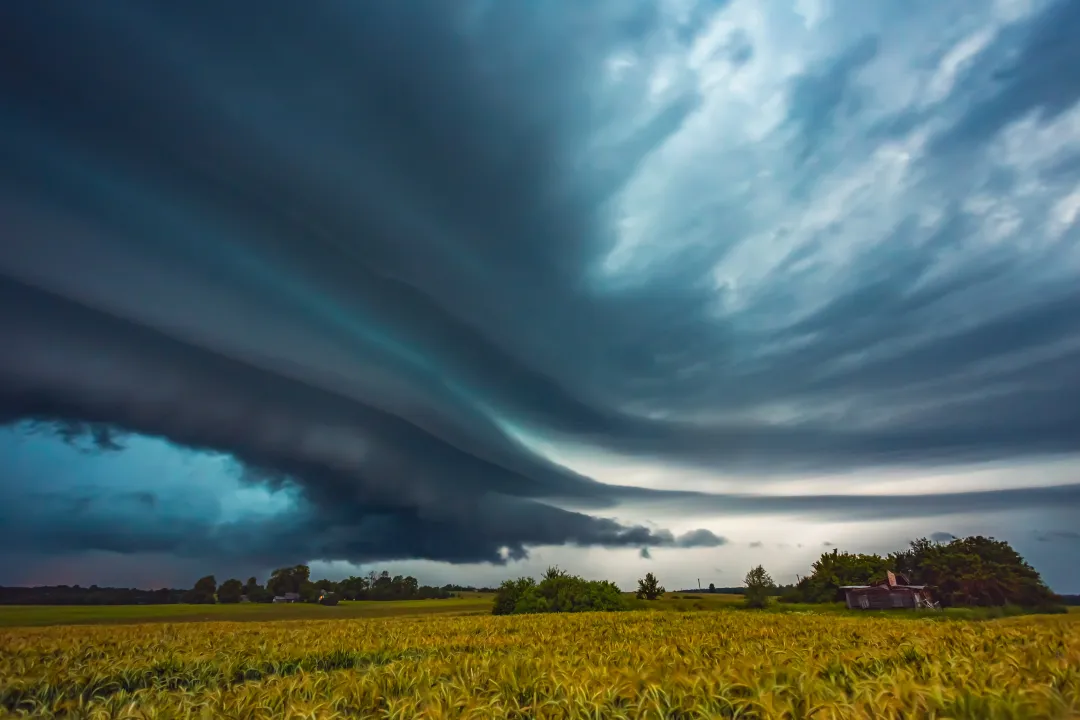
El Niño generally creates stronger wind shear over parts of the tropical Atlantic. This can make it harder for some tropical storms and hurricanes to develop or strengthen.
As a result, El Niño is often associated with less favorable conditions for Atlantic hurricane activity.
However, this does not mean Florida is protected from hurricanes during an El Niño year.
Individual storms can still develop, strengthen, and affect the state. Homeowners should continue preparing for hurricane season regardless of the ENSO phase.
A proper hurricane preparation plan should include roof inspections, window protection, outdoor furniture storage, drainage maintenance, and an emergency supply kit.
How Can Florida Homeowners Prepare for El Niño?
Homeowners cannot control El Niño, but they can take practical steps to reduce the risk of property damage.
Inspect the Roof
Look for damaged shingles, loose flashing, missing tiles, and signs of previous leaks. Arrange professional repairs when necessary.
Clean Gutters and Downspouts
Remove leaves, dirt, and other debris so rainwater can flow away from the house.
Check Windows and Doors
Inspect seals, caulking, and weatherstripping. Replace damaged materials to reduce the possibility of water intrusion.
Inspect Exterior Siding
Look for cracks, gaps, loose panels, and deteriorated paint. Repair damaged areas before heavy rainfall.
Control Indoor Humidity
Use air conditioning and dehumidifiers when needed. Keep bathrooms and kitchens properly ventilated.
Check Attics and Crawl Spaces
Look for damp insulation, water stains, condensation, and musty odors. These areas can hide moisture problems.
Maintain Proper Drainage
Make sure water flows away from the home's foundation. Address areas where water repeatedly collects after rainfall.
Schedule Mold Inspections When Needed
If you notice recurring moisture, musty odors, or visible mold, consider a professional inspection. Correcting the source of moisture is an important part of preventing future growth.
Conclusion
El Niño can influence Florida's weather by changing seasonal rainfall, temperatures, and storm patterns. For homeowners, these changes may increase the importance of maintaining roofs, siding, drainage systems, windows, and indoor humidity levels.
Although El Niño does not guarantee flooding, mold growth, or property damage, wetter conditions can expose existing weaknesses in a home.
Regular inspections and early repairs can help homeowners protect their properties and avoid more expensive problems. Paying attention to moisture, especially after periods of heavy rain, is one of the most practical ways to prepare for changing Florida weather.
Frequently Asked Questions
1. Does El Niño bring more rain to Florida?
El Niño is often associated with wetter-than-average winter conditions in Florida. However, rainfall varies by location and year.
2. Does El Niño cause flooding in Florida?
El Niño does not directly cause every flood. However, increased rainfall during some El Niño periods can contribute to flooding, especially in areas with poor drainage or low elevation.
3. Can El Niño cause mold in Florida homes?
El Niño does not directly create mold, but wetter conditions can increase moisture problems. If water enters a home and damp materials are not dried properly, mold may develop.
4. Does El Niño make Florida winters colder?
Florida often experiences cooler-than-average winter conditions during El Niño. The exact temperature changes depend on the strength of the event and other weather patterns.
5. Should Florida homeowners prepare for hurricanes during El Niño?
Yes. El Niño may reduce some favorable conditions for Atlantic hurricane development, but hurricanes can still affect Florida. Homeowners should maintain their normal hurricane preparedness plans.
6. How can I prevent water damage during El Niño?
Inspect your roof, clean gutters, maintain proper drainage, seal exterior openings, and repair leaks quickly. These steps can help reduce the risk of water entering your home.
7. Can heavy rainfall damage a home's foundation?
Yes. Poor drainage and repeated water accumulation around a foundation can contribute to soil movement, moisture intrusion, and other structural concerns. Proper grading and drainage maintenance are important.
8. How do I know if my home has hidden moisture damage?
Warning signs include musty odors, peeling paint, damp drywall, warped flooring, and recurring water stains. A professional moisture inspection can help identify problems behind walls or in other concealed areas.
9. Does El Niño affect Florida's coastal homes?
It can influence seasonal rainfall and weather patterns, which may affect coastal properties. However, actual flood and storm risks depend on local conditions, tides, storm tracks, and property elevation.
10. When should I schedule a mold inspection?
Consider a professional mold inspection when you notice recurring musty odors, visible mold, unexplained moisture, or signs of water damage. If flooding occurs, address water removal and drying promptly.