Key Takeaways
- Average cost: Professional mold inspection in the U.S. typically costs $300 to $1,075, depending on the property and services required.
- Property size matters: Larger homes and properties with hidden moisture issues may require more inspection time and increase costs.
- Testing methods affect pricing: Air sampling, surface sampling, laboratory analysis, and moisture assessments can add to the total cost.
- Testing is not always necessary: Visible mold often requires addressing the mold and its moisture source rather than laboratory testing.
- Mold removal costs extra: Inspection and testing generally do not include mold remediation or repairs.
- Compare professional quotes: Check qualifications, laboratory fees, sample counts, written reports, and potential additional charges before hiring an inspector.
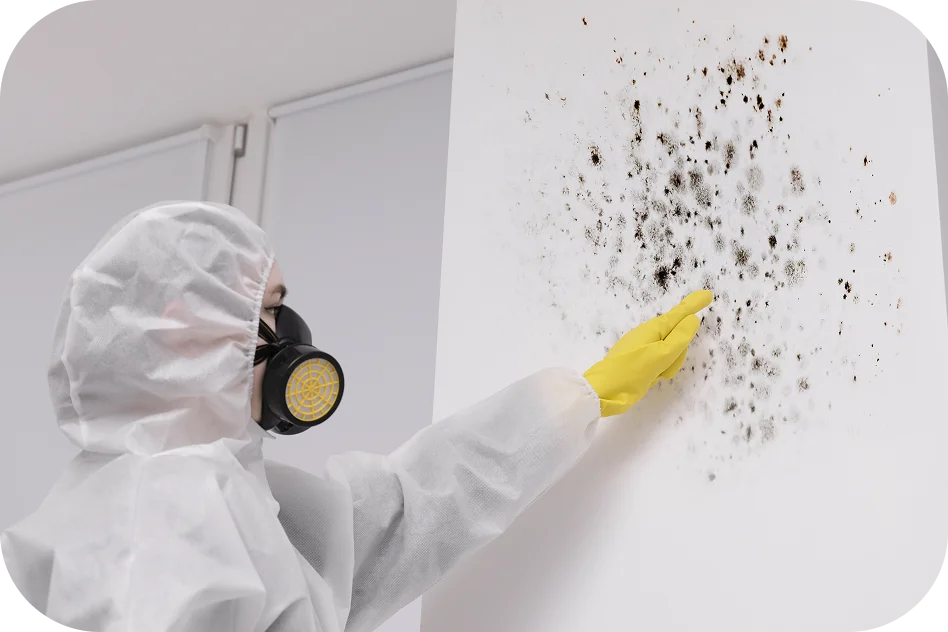
Professional mold testing helps homeowners identify potential mold problems, investigate hidden moisture, and understand whether further action is needed. If you notice a musty smell, water stains, or visible mold in your home, hiring a qualified mold inspector may help determine the extent of the problem.
But how much does professional mold testing cost? The price depends on the size of your property, the number of samples collected, the type of testing required, and whether the inspector needs to investigate hidden areas.
This guide explains the average cost of professional mold testing, the factors that affect pricing, what the service includes, and when hiring a mold testing professional makes sense.
How Much Does Professional Mold Testing Cost?
In the United States, professional mold inspection and testing typically cost a few hundred dollars. A 2026 Angi estimate places the average mold inspection cost at $689, with a typical range of $303 to $1,075. Basic testing or limited assessments may cost less, while extensive investigations can cost more.
The following table provides general budgeting estimates.
Type of service | Estimated cost |
Basic visual mold inspection | $150 to $300 |
Professional mold testing with samples | $250 to $500 |
Inspection with laboratory testing | $300 to $800 |
Comprehensive inspection of a larger property | $700 to $1,075 or more |
Follow-up inspection after remediation | $200 to $400 |
These are approximate U.S. price ranges, not guaranteed quotes. Services included in each package vary, so ask whether sample collection, laboratory analysis, and a written report are included in the price.
What Factors Affect Professional Mold Testing Costs?
Several factors determine how much you will pay for a mold inspection.
1. Size of the Property
Larger homes generally take longer to inspect because professionals must examine more rooms and potential problem areas. A small apartment may require a limited assessment, while a large house with an attic, basement, and crawl space may require more time and samples.
2. Number of Mold Samples
The number of samples collected can affect the total cost. An inspector may recommend air samples, surface samples, or other sampling methods depending on the situation.
Additional samples may involve extra collection and laboratory fees. Ask the inspector how many samples are included and why each one is necessary.
3. Type of Mold Testing
Different testing methods serve different purposes.
Air sampling: Measures airborne mold spores in a particular area.
Surface sampling: Collects material from a suspected mold-covered surface.
Bulk sampling: Tests a piece of material, such as damaged drywall, when appropriate.
Moisture assessment: Uses tools to identify damp materials and potential water intrusion.
Not every property needs every type of test. A professional should explain which methods are appropriate for your concerns.
4. Hidden Mold and Accessibility
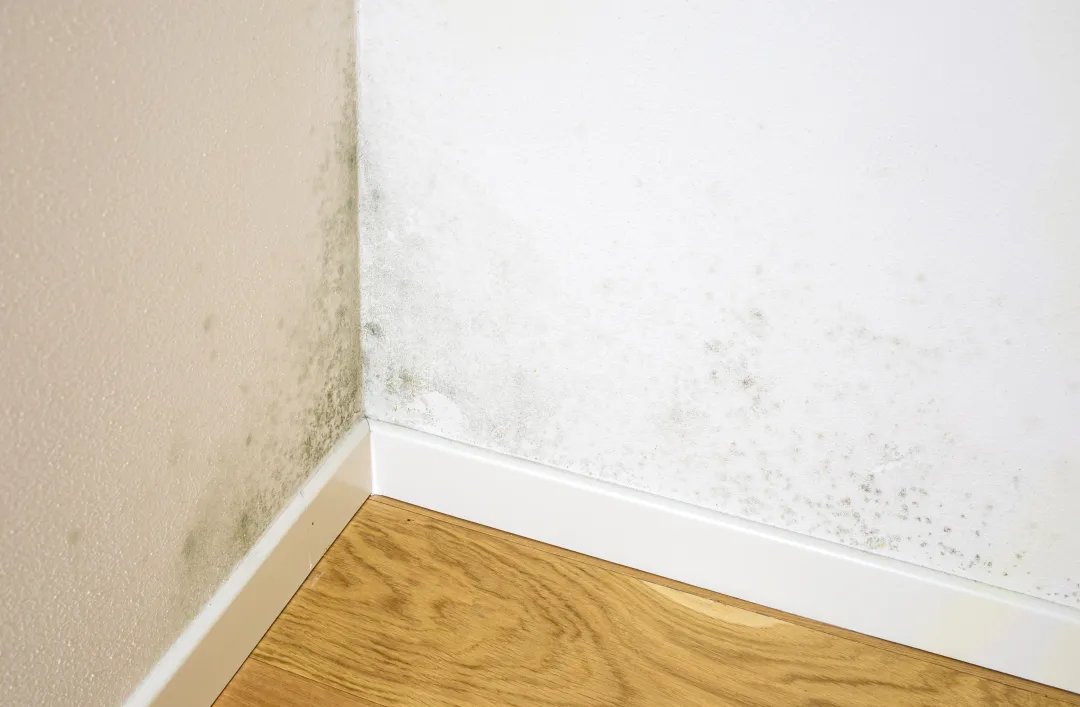
Mold may develop behind drywall, beneath flooring, inside crawl spaces, or around plumbing leaks. Investigating these areas can increase the inspection cost because they may require specialized equipment or additional labor.
Thermal imaging and moisture meters can help identify suspicious areas, although thermal imaging does not confirm the presence of mold on its own.
5. Location and Labor Costs
Prices vary by city, local demand, travel distance, and the qualifications of the inspector. Properties with extensive water damage or multiple suspected mold locations may also require a more detailed assessment.
Professional Mold Testing Cost by Property Size
The cost of professional mold testing often depends on the size of the property, the number of rooms inspected, and whether additional testing is required. Larger properties may need more time, samples, and specialized equipment.
Property size | Estimated inspection and testing cost |
Small apartment or condo (under 1,000 sq. ft.) | $200 to $400 |
Medium-sized home (1,000 to 2,000 sq. ft.) | $300 to $600 |
Large home (2,000 to 3,000 sq. ft.) | $400 to $800 |
Very large home (3,000+ sq. ft.) | $700 to $1,200+ |
Commercial property | $500 to several thousand dollars |
These are approximate U.S. budgeting estimates, not fixed industry rates. Actual costs depend on location, the number of samples, laboratory fees, and the complexity of the inspection.
A basic visual inspection may cost less, while properties with suspected hidden mold, previous water damage, or multiple affected areas may require more extensive testing. Always confirm what is included in the quote before hiring a mold testing professional.
What Does a Professional Mold Inspection Include?
A professional mold inspection generally begins with a visual assessment of the property. The inspector looks for visible growth, water stains, damp materials, condensation, and signs of leaks.
Depending on the service, the inspection may include:
Checking areas affected by previous water damage.
Measuring moisture levels in building materials.
Examining bathrooms, basements, attics, and other vulnerable areas.
Collecting air or surface samples when appropriate.
Sending samples to a laboratory for analysis.
Providing a written report with findings and recommendations.
Before booking, confirm exactly what the service covers. A visual inspection, laboratory testing, and mold removal are separate services, even when companies offer them together.
Is Professional Mold Testing Worth the Cost?
Professional mold testing can be useful when you suspect hidden mold, need help investigating a persistent musty odor, or want an assessment following water damage.
It can also help document conditions before or after remediation, depending on the purpose of the assessment.
However, laboratory testing is not always necessary. The U.S. Environmental Protection Agency explains that if mold is visible, sampling is often unnecessary because the appropriate response is to address the mold and its moisture source.
A professional inspection may be more useful than testing alone because it can help identify why mold is growing and where moisture is entering the property.
Does Mold Testing Include Mold Removal?
No. Mold testing and mold remediation are different services.
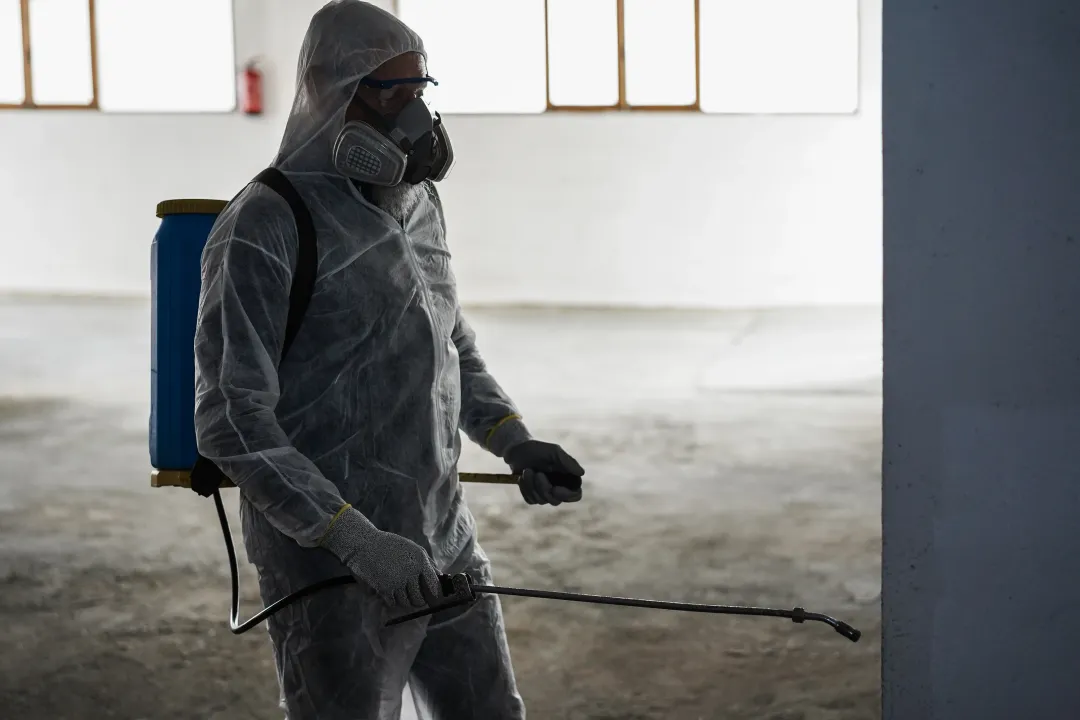
Testing involves assessing suspected mold and, when appropriate, collecting samples for laboratory analysis. Remediation involves removing mold-contaminated materials, cleaning affected areas, and correcting the moisture problem.
If testing confirms a problem, remediation costs will depend on the affected area, material damage, accessibility, and the work required. Extensive contamination can cost substantially more than the initial inspection.
Ask for a separate written estimate before authorizing removal work.
How to Choose a Professional Mold Testing Company
Before hiring an inspector, compare at least two or three written quotes. Check the company's qualifications, applicable state licensing requirements, insurance, and experience with residential mold assessments.
Ask these questions:
Does the quoted price include laboratory fees?
How many samples will be collected?
Will I receive a written report?
Will the inspection identify the moisture source?
Are additional charges possible?
Does the company also perform mold remediation?
When practical, consider using an independent inspector who is not financially dependent on selling you remediation services. This can help reduce potential conflicts of interest.
Conclusion
Professional mold testing generally costs a few hundred dollars, with comprehensive inspections often reaching $800 to $1,075 or more in the United States. The final price depends on property size, sampling requirements, accessibility, and the amount of investigation needed.
Before booking a service, determine whether you need a visual inspection, laboratory testing, or a more comprehensive moisture assessment. Compare quotes carefully and make sure the price includes the services you need.
Most importantly, addressing the source of moisture is essential to preventing mold from returning. A professional assessment can help you understand the problem and decide on the appropriate next steps.
Frequently Asked Questions
How long does professional mold testing take?
The on-site inspection may take a few hours, depending on the size of the property and the number of areas being examined. Laboratory results may take additional time.
Does homeowners insurance cover mold testing?
Coverage depends on the policy and the cause of the mold. Some policies may cover certain mold-related costs when they result from a covered water damage event, but routine inspections and other situations may not be covered.
Can I test for mold myself?
Home test kits are available, but results may be difficult to interpret without context. A professional can assess moisture sources, inspect the property, and determine whether sampling is useful.
What is the most important part of mold remediation?
Correcting the moisture source is essential. Removing visible mold without fixing leaks, condensation, or other moisture problems may allow it to return.