
Lead Testing
and Inspection
We are Environmental Testing Agency: Licensed, Certified, and Insured Air Quality Testing and Mold Testing Company
What is Lead?
Lead is a naturally occurring element, and unlike many pollutants, it does not go away over time. This toxic metal was once regularly used in the manufacturing of common household products and gasoline, and there is no safe level of exposure to it.
In the past, lead was added to gasoline, paints, water pipes, ceramic glazes, and fertilizers and used in many industrial processes. Since the elimination of lead in gasoline and paints in the late 1970s, lead pollution in the United States has been reduced. However, the lead released through the use of gasoline remains in the environment, especially in the soil near major roadways.
Lead and Indoor Pollution
Old paint found in homes built before 1978 is the most common source of lead air pollution indoors. If left untouched and in good condition, lead-based paint may not be a significant health issue. However, if it is chipped or deteriorating, paint can create dust, chips, and suspended particles that can be inhaled. Remodeling, dry scraping, and demolition also disturb and re-suspend paint particles.
Contaminated soil and dust tracked indoors from outside are also large contributors to indoor lead pollution. Levels of lead in soil are higher near sources such as lead smelters, mines, old agricultural fields, and heavily trafficked roads and runways. People who work with or around lead must take care to avoid carrying lead particles home on their clothing or equipment.

Lead and The People at Risk
Children and babies are also most vulnerable to the harmful health effects of lead because their nervous systems are still developing. Young children are likely to play on the floor where lead-laden dust may settle and put their hands or lead-contaminated objects into their mouths.
People also at risk are those who work in industries that use lead, such as lead smelting and refining industries, steel welding and cutting operations, battery manufacturing plants, and lead compound manufacturing. People who work at municipal waste incinerators, construction and demolition workers, painters, pottery and ceramics industries, and other industries that use lead solder may also be exposed.
Lead And How Can It Be Avoid At Home

Leave lead paint intact: If you are concerned about the presence of lead paint, paint over it rather than try to remove it or hire a professional to remove it. If the paint is flaking, damp-mop floors to remove contaminated dust and wipe window ledges with a warm, damp rag and phosphate-containing dishwashing detergent.
Take precautions: Is renovation on your mind? Make sure everything is on point. Pregnant women and children should leave the building until the work is completed. Hire someone who has specialized training to remove lead paint and keep areas being remodeled separate from living areas. Keep your home dust-free and, if possible, leave lead-based paint untouched if it is in good condition.
Lead and Health Impact
Exposure to lead can harm nearly every system in the body—it can even kill. Lead accumulates in the bones, liver, and kidneys and can get into the bloodstream. Lead poisoning effects may continue after the source of exposure has been eliminated. The nervous system is the main target of lead's effects on the bodies of both adults and children. Children are most vulnerable to lead pollution because their nervous systems are developing and can be harmed for life.
Contaminated soil and dust tracked indoors from outside are also large contributors to indoor lead pollution. Levels of lead in soil are higher near sources such as lead smelters, mines, old agricultural fields, and heavily trafficked roads and runways. People who work with or around lead must take care to avoid carrying lead particles home on their clothing or equipment.
Lead can cause:
- Harm cognitive functions
- Behavioral problems and decreases IQ
Effects of lead poisoning include:
- Seizures
- Paralysis
- Anemia
- Abdominal pain
- Constipation
- Vomiting
- Decreased appetite
- Death
- Severe damage to the brain and kidneys
- Reproductive system damage
- Increased blood pressure
- Anemia

We Serve Mold Testing Services Across South Florida!
LEAD FAQ
Lead can cause damage to the brain and other vital organs, as well as behavioral problems, learning disabilities, seizures, and even death.
Peeling or chipping paint. Old home built prior to 1978 (before lead-based paint was banned in the U.S.) A metallic taste in your mouth.
If allowed to deteriorate, lead from paint can threaten the health of occupants, especially children under six years old.
Lead dust is the most common way that people are exposed to lead. Inside the home, most lead dust comes from chipping and flaking paint or when paint is scraped,
It is found in the air, soil, dust, and the paint of some homes or buildings built before 1978. Exposure to lead can cause serious health problems. The good news is that lead poisoning can be prevented.
If the paint is in good shape, the lead-based paint is usually not a problem. Deteriorating lead-based paint (peeling, chipping, chalking, cracking, damaged, or damp) is a hazard and needs immediate attention.
Wet hand sanding and/or power sanding with HEPA filters. Only wet hand sanding and/or an electric sander equipped with a HEPA filtered vacuum attachment should be used.
The best way to remove lead dust from the air is to use a High-Efficiency Particulate Air Filter (HEPA) vacuum. These air vacuums have special filters that capture small pieces of lead.
Learn More About Lead
How Accurate Is Mold Testing?
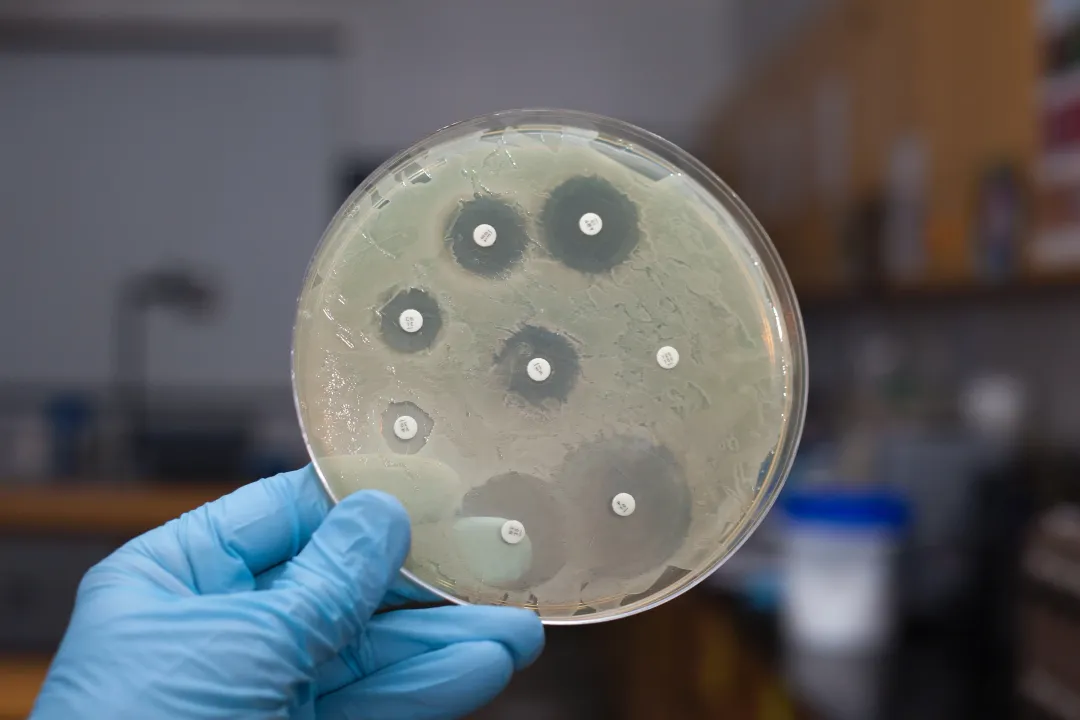
Mold testing can help identify mold spores in a building, but it does not always provide a complete picture of a mold problem. The accuracy depends on the testing method, sample collection, location, and conditions at the time of testing.Mold testing can detect mold in collected samples, but a negative result does not guarantee that a building is mold-free. Air samples represent conditions at a particular time, and hidden mold may not be captured. The U.S. Environmental Protection Agency (EPA) states that routine mold sampling is often unnecessary when visible mold is already present.How Accurate Is Mold Testing?Mold testing can provide […]
How Much Does Professional Mold Testing Cost?
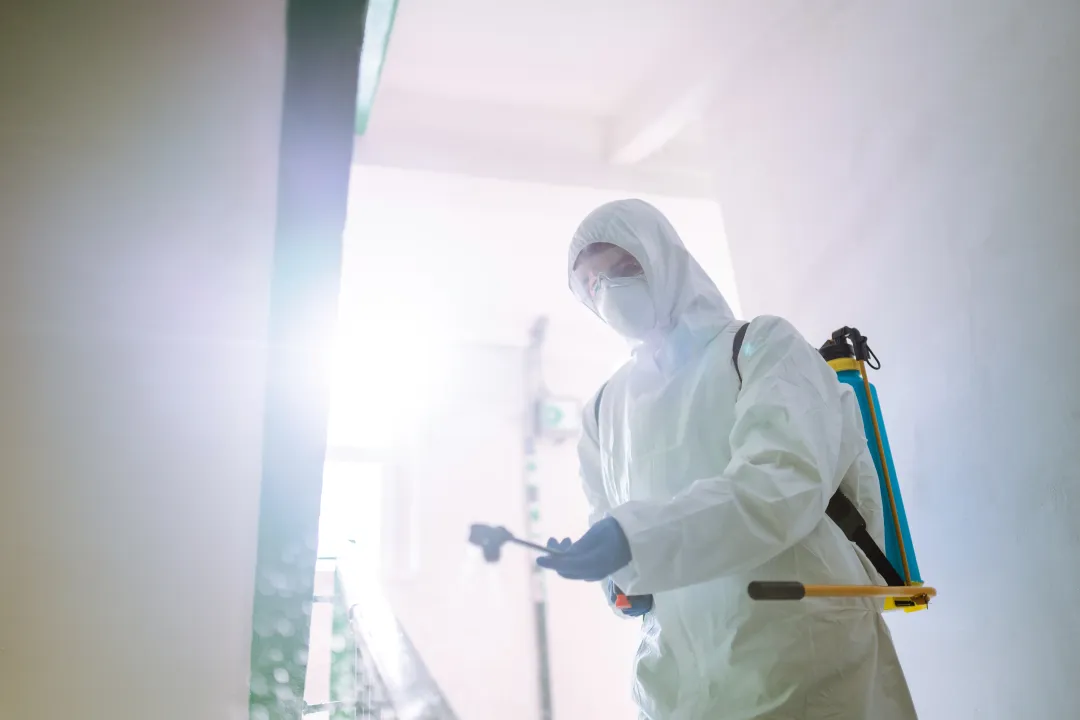
Professional mold testing helps homeowners identify potential mold problems, investigate hidden moisture, and understand whether further action is needed. If you notice a musty smell, water stains, or visible mold in your home, hiring a qualified mold inspector may help determine the extent of the problem.But how much does professional mold testing cost? The price depends on the size of your property, the number of samples collected, the type of testing required, and whether the inspector needs to investigate hidden areas.This guide explains the average cost of professional mold testing, the factors that affect pricing, what the service includes, and when […]

Does Mold Cause Coughing?
Yes, mold can cause coughing. Mold releases spores and other particles into the air. Breathing them in may irritate the nose, throat, and airways or trigger an allergic reaction. This can lead to coughing, sneezing, nasal congestion, throat irritation, or asthma symptoms.Not everyone exposed to mold will cough, and a cough does not automatically mean mold is the cause. Respiratory infections, allergies, asthma, smoke, and other irritants can also cause coughing. If your cough seems worse in a damp or moldy room and improves when you leave, mold exposure may be one possible explanation.How Can Mold Cause Coughing?Mold is a type […]

How Much Does It Cost for a Mold Inspection?
Mold can become a serious concern when there is water damage, high humidity, leaks, flooding, or poor ventilation in a home. If you notice a musty smell, visible mold, water stains, or unexplained moisture, you may consider getting a professional mold inspection. But how much does a mold inspection cost? In the United States, a professional mold inspection typically costs around $300 to $1,000, with many homeowners paying somewhere in the middle of that range. The actual price can vary depending on the size of the property, the areas being inspected, the location of suspected mold, the type of testing performed, […]
Mold Inspection vs. Mold Testing: What Is the Difference?
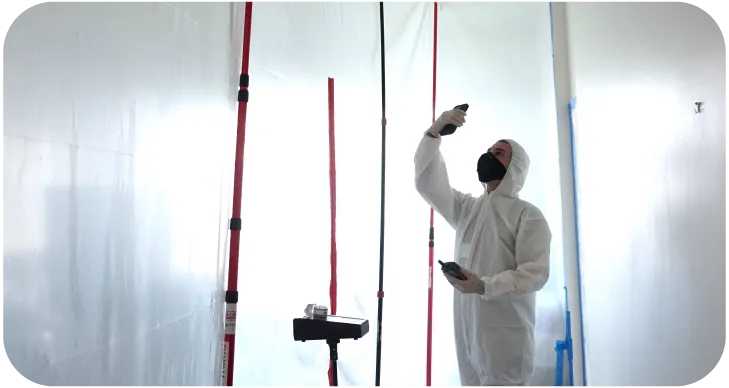
Mold can become a concern in any home or building where moisture is present. A leaking pipe, roof problem, flooding, condensation, or poor ventilation can create the conditions mold needs to grow. Sometimes mold is easy to see. Other times, there may be a musty smell or signs of moisture without any obvious mold. This is where mold inspection and mold testing come into the picture. Although people often use these terms interchangeably, they are not the same thing. A mold inspection generally focuses on looking for signs of moisture and mold growth and identifying conditions that may support mold. Mold […]
Contact Us
Contact Us
Request
A Free Estimate